FDA Registered vs FDA Approved: What the JointBrex Seals and Pain Relief Claim Mean
Quick answer
JointBrex is not FDA approved; the FDA does not approve any dietary supplement before sale. An FDA-registered facility is a factory listed with the FDA, and the brand does not name it. A GMP seal is the seller’s own claim. The bottle’s “pain relief” line reads like drug wording, so treat it as marketing.
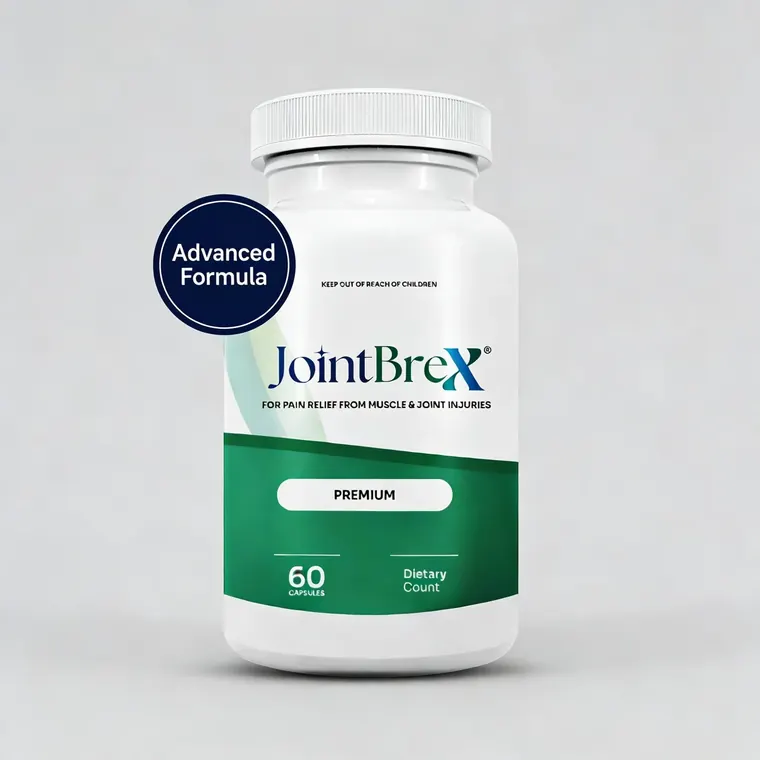
“Is JointBrex FDA approved?” is a real search, and the brand’s pages invite it: a red roundel reading Registered FDA Facility, a GMP seal, and a bottle that says “for pain relief.” This post explains what each of those words means in US rules, using our own product as the test case.
Is JointBrex FDA approved?
No, and no dietary supplement is. The FDA says it does not have the authority to approve supplements for safety or effectiveness before they are sold (FDA, FDA 101: Dietary Supplements).
Medicines must win FDA approval before sale; supplements do not need it, and the FDA does not decide whether a supplement works before it reaches shelves (NIH ODS, Dietary Supplements: What You Need to Know). The company that sells a supplement is responsible for its safety and for a truthful label.
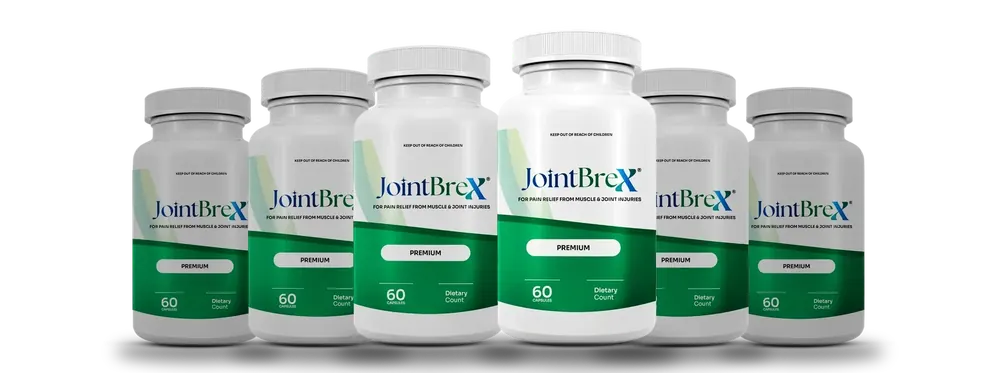
Weighing up JointBrex? The lowest cost per bottle comes with the 6-bottle pack.
$49 a bottle in the 6-pack ($294). Free US delivery on 3 or 6 · 60-day refund window · BuyGoods checkout.
What does “made in an FDA-registered facility” mean?
It means a factory is listed with the FDA. Registration is about the place, not about any product made in it, and it is not a review, a test or an approval.
The JointBrex sales page says the capsules are produced in the United States in an FDA-registered facility. It does not name the facility, and the label names only a distributor in Aurora, Colorado. So the claim cannot be checked by a buyer. Security researchers at MalwareTips list “FDA-registered” presented as if it meant “FDA-approved” among the red flags in ads for this product.
Brand art uses badges freely. Some, like this “Advanced Formula” sticker, mean nothing in law. Others borrow the FDA’s name. Both are the seller speaking about itself.
We show the brand’s FDA, GMP and other seals, each with a verdict, on our testing and quality page.
What does a GMP seal on a supplement mean?
GMP stands for Good Manufacturing Practice, the quality rules for how a product is made, checked and labeled. A seal saying GMP is a claim that a factory follows them. On its own it names no factory, no auditor and no date.
For JointBrex, none of those are published, and no certificate of analysis for any batch is public either. NCCIH adds two cautions worth keeping in mind for any brand: products may contain ingredients that are not on the label, and the word “standardized” does not guarantee quality (NCCIH, Using Dietary Supplements Wisely).
| Phrase you see | What it is | What it does not tell you |
|---|---|---|
| FDA approved | Not possible for a supplement | Anything; it should not appear |
| FDA-registered facility | A factory listed with the FDA | Which factory, or anything about this product |
| GMP seal | A claim to follow manufacturing quality rules | Who checked, when, or for which batch |
| Dietary Supplement | The legal category on the label | That the product was reviewed before sale |
| *FDA disclaimer | Required next to structure/function claims | That the claim is true |
What is a structure/function claim, and how is it different from a disease claim?
A structure/function claim describes how an ingredient affects the normal body, like “supports joint comfort.” A disease claim says a product treats, cures or prevents an illness, like “relieves arthritis.” Supplements may use the first kind but not the second (FDA, Structure/Function Claims).
Structure/function claims are not pre-approved. The seller must be able to show they are truthful and not misleading, must tell the FDA about the claim within 30 days of marketing, and must print the disclaimer: not evaluated by the FDA, and not intended to diagnose, treat, cure or prevent any disease.
Here is the wording around JointBrex, sorted. The verdicts are ours, based on the FDA definitions above.
- On the label
Joint support, mobility, flexibility
Seller’s claim listStructure/function wording. Acceptable in form, though never tested on this formula.
- Marketing only
For pain relief from muscle & joint injuries*
Bottle frontReads like a product meant to ease symptoms, which is drug territory.
- Marketing only
Eliminate joint pain, restore body mobility
Sales pageA promise about a condition. No study of this formula backs it.
- Marketing only
Rebuilds and hydrates worn cartilage
Sales page FAQNCCIH calls any effect of glucosamine or chondroitin on joint structure uncertain.
- Not shown
Clinically tested nutrients
Sales pageNo study is cited; the page’s reference list is about blood sugar and weight products.
Can a supplement claim pain relief?
Not as a treatment. The FDA says a product meant to treat, prevent, cure or ease the symptoms of a disease is regulated as a drug, so “pain relief from injuries” is wording you would expect on a medicine, not on a dietary supplement.
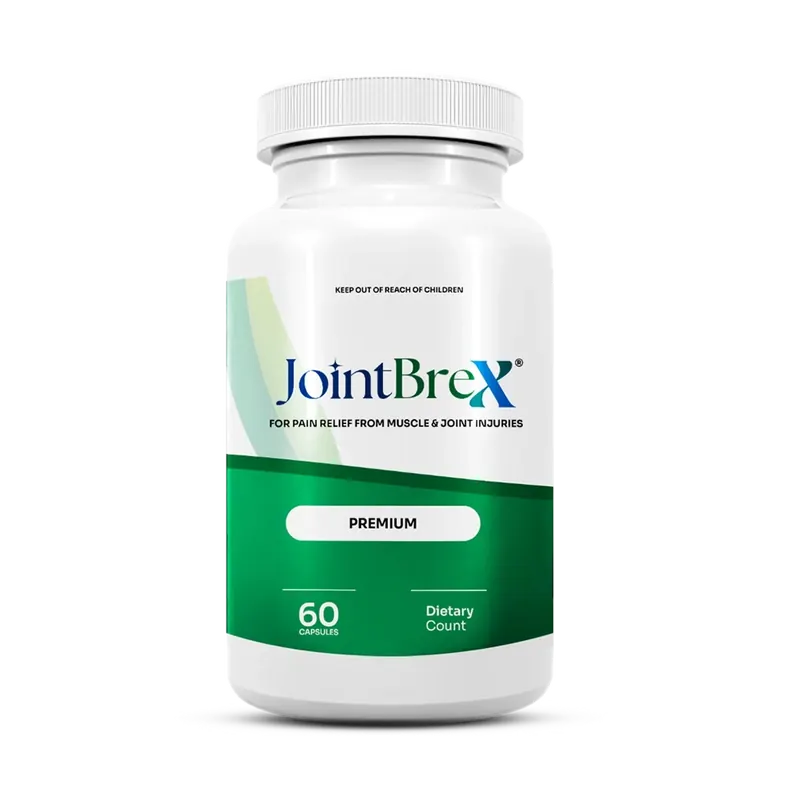
The JointBrex bottle prints it anyway, with an asterisk. We are not regulators, and we do not say what the FDA would decide about it. We do treat it as marketing, and this site never repeats it as a benefit.
If you have a fresh injury or pain after a fall, see a clinician. A supplement is not studied or sold as a fix for that, and JointBrex has never been tested as one.
What do FTC rules say about supplement ads?
The FTC polices advertising, and its bar is higher than many ads suggest. Health claims need competent and reliable scientific evidence, usually randomized trials in people, and lab or animal results alone are not enough (FTC, Health Products Compliance Guidance).
- The product’s dose and form should match what was studied. A 1,500 mg glucosamine trial does not back a 1,000 mg capsule.
- Customer testimonials are never enough to prove a health effect.
- Paid ties with endorsers must be disclosed.
- The FDA disclaimer does not fix an otherwise misleading ad.
- Countdown timers on offers that are not really time-limited count as a dark pattern (FTC, Report on dark patterns (press release)).
The JointBrex sales page runs a 30:00 countdown. We cannot prove the timer is fake, and our prices do not change when it reaches zero.
How can you check a supplement’s claims yourself?
Work from the bottle outward. Each step below takes a minute or two and needs no special access.
- 1
Find the asterisk
Follow every asterisk on the front to the disclaimer. Starred lines are the seller’s claims, not FDA findings.
- 2
Sort the verbs
“Supports” and “maintains” are structure/function words. “Relieves,” “treats” and “rebuilds” point to a disease claim.
- 3
Ask for names
A seal should come with a factory, an auditor or a certificate you can request.
- 4
Match the dose
Compare each amount with the studied dose, the way our label guide does.
- 5
Report problems
If you have a bad reaction, stop and tell your doctor and the FDA.
Our guide to reading a joint supplement label walks through step 4 on the JointBrex panel, and the is JointBrex legit page covers the seller and checkout.
Questions about FDA rules and supplement claims
Is JointBrex FDA approved?
No. The FDA does not approve any dietary supplement before sale, and the JointBrex label says its statements have not been evaluated by the FDA.
What does FDA registered mean on a supplement?
It refers to a factory being listed with the FDA. It is not a test or approval of the product, and the JointBrex pages do not name the facility.
Are any supplements FDA approved?
No. The FDA says it lacks the authority to approve dietary supplements for safety or effectiveness before they are sold.
What is an example of a structure/function claim?
“Supports joint comfort” is one. “Treats arthritis” would be a disease claim, which a supplement label may not make.
What does the GMP seal on JointBrex prove?
Only that the seller claims good manufacturing practice. No factory, auditor or batch certificate is published with it.
Does the FDA disclaimer mean a supplement is unsafe?
No. It means the FDA has not checked the claims. It says nothing either way about safety.
Who is responsible for a supplement’s safety?
The company behind it is responsible for safety and a truthful label, NCCIH says. Companies must also report serious adverse events to the FDA within 15 days.
Where do I report a bad reaction to a supplement?
Stop taking it, tell your doctor, and report it to the FDA. Keep the bottle so you can give the label details.
Page check
Written by
Matches each amount to the printed Supplement Facts panel and each safety line to federal health agencies and Cochrane reviews.
- Reviewed against the label on October 13, 2026
- Sources: the Supplement Facts panel, the brand pages we opened, and the studies linked on this page
- Spotted a mistake? Email [email protected]. Our method is on the editorial standards page