JointBrex Blog: Straight Answers on Dose, FDA Wording and Fake Ads
Quick answer
The JointBrex Blog takes one real search question per post. So far it covers whether 1,000 mg of glucosamine is enough next to the 1,500 mg study dose, what FDA registered, GMP and “pain relief” mean on a supplement, and how to spot the manipulated doctor videos used in some ads. Every claim links to a public source.
What are the newest posts on the JointBrex Blog?
Three newer posts were added on October 30, 2026. Three questions buyers type into search more than any others we checked: whether the glucosamine dose is enough, what the FDA wording on the bottle means, and whether the doctor videos in JointBrex ads are real. Each card shows the topic and how long the post takes to read.
Capsules5 min read
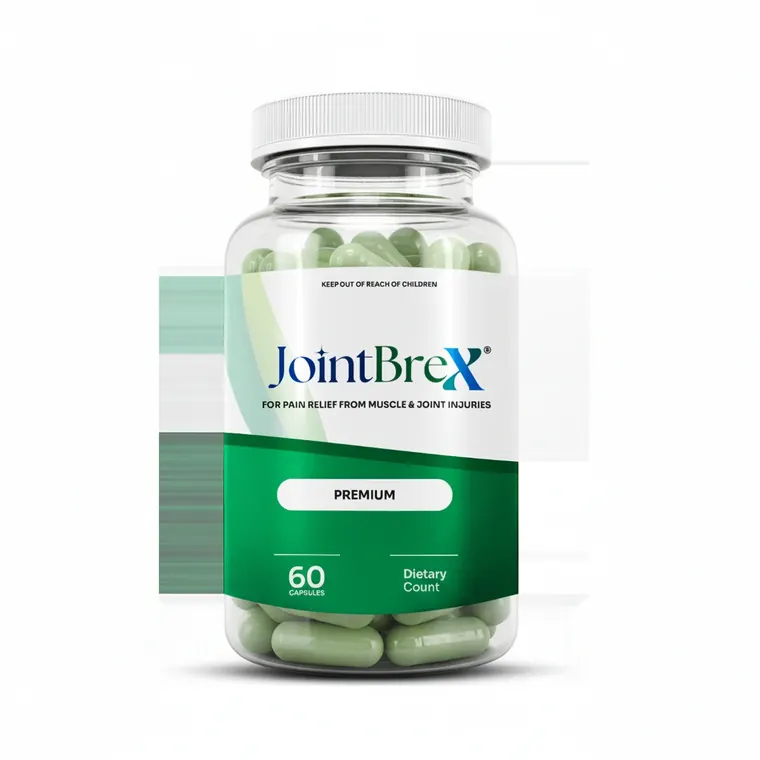
Joint Brex Capsules: Count, Storage And Daily Handling
Sixty to a bottle, two a day, a cool shelf. What the label says and what is not published.
Explainer5 min read
What Is Joint Brex? The Product, The Seller And The Limits
A two-a-day joint supplement with eight printed amounts. Who sells it and what it cannot do.
Scorecard5 min read
Is Joint Brex Any Good? A Fair Scorecard On Six Points
Label, price, refund, safety, proof and fit, scored plainly, with the weak spots named.
Dose check8 min read
Is 1,000 mg of Glucosamine Enough? What Studies Used and What JointBrex Gives
Where the 1,500 mg study dose comes from, what GAIT found at that amount, sulfate vs HCl, and how the JointBrex label measures up.
Rules and labels7 min read
FDA Registered vs FDA Approved: What the JointBrex Seals and Pain Relief Claim Mean
What an FDA-registered facility, a GMP seal and a structure/function claim really mean, with the JointBrex seals and its “pain relief” front claim as examples.
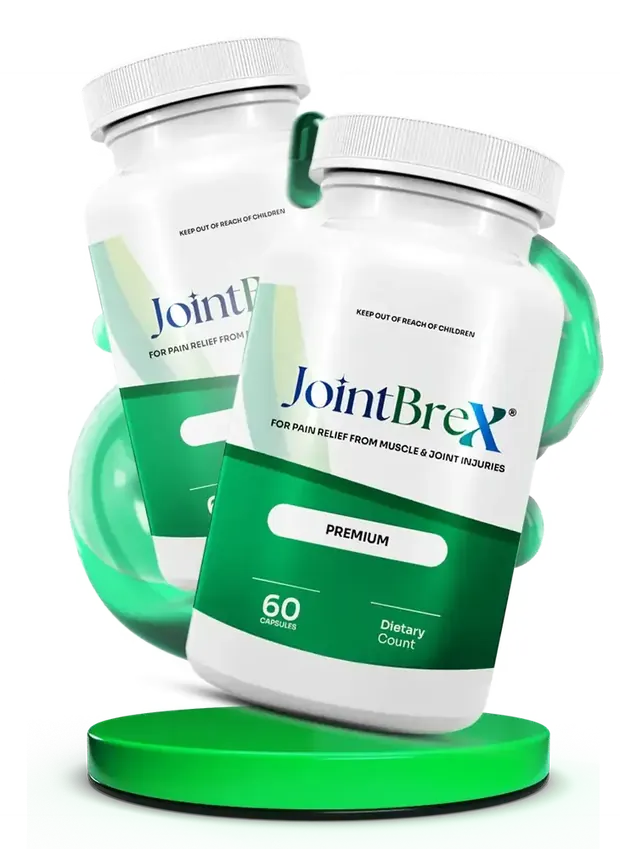
Trust and ads7 min read
JointBrex Ads and Fake Doctor Videos: The Scam Alert, Explained
What the MalwareTips warning says, why “sanjay gupta jointbrex” is searched, how to check a video ad, and how to buy the product on our label.
How much ground does the blog cover?
Short enough to read over coffee, sourced enough to show a doctor. The figures below update themselves each time a post is added.
The posts are free and need no sign-up. Each one stands on its own, so you can read only the one that matches your question and skip the rest.
Which post answers the question you searched?
Match your search to a post. The phrases on the left are real ones people type, collected from Google and Bing suggestions in October 2026.
| If you searched | Start with |
|---|---|
| is 1000 mg of glucosamine enough | Is 1,000 mg of glucosamine enough? |
| glucosamine sulfate vs hcl | Is 1,000 mg of glucosamine enough? |
| is jointbrex fda approved | FDA registered vs FDA approved |
| what does fda registered facility mean | FDA registered vs FDA approved |
| structure function claims dietary supplements | FDA registered vs FDA approved |
| jointbrex scam alert | JointBrex ads and fake doctor videos |
| sanjay gupta jointbrex | JointBrex ads and fake doctor videos |
| jointbrex amazon / walmart | JointBrex ads and fake doctor videos |
Questions about stiff knees, exercise or a label line are in the two long guides on the guides page. Quick answers to dozens more questions sit on the JointBrex FAQ.
What did the posts conclude?
Each post ends with a plain answer. Here they are side by side, so you can see the overall picture before you pick one to read in full.
- Is 1,000 mg of glucosamine enough?
- It is two-thirds of the 1,500 mg used in most studies, and even 1,500 mg did not beat placebo overall in the GAIT trial. Adding capsules is not the answer; the label says not to exceed two a day.
- Is JointBrex FDA approved?
- No supplement is. “FDA-registered facility” describes a factory listing, the brand does not name the factory, and the GMP seal is the seller’s own claim.
- Does the bottle’s pain relief line hold up?
- It reads like drug wording on a dietary supplement. We treat it as marketing and never repeat it as a benefit.
- Are the doctor videos in the ads real?
- We found no doctor endorsing the product. A security site warns the videos may be manipulated, so buy only from the brand’s own order page.
The common thread: the label prints every amount, which helps, but the claims around it run well ahead of the evidence, and the ads run ahead of the claims.
How can you use the posts at a doctor or pharmacist visit?
Bring the bottle, not just the post. The label has details a clinician needs, such as the crayfish line and the full ingredient list, and the posts point to the public sources behind each concern.
- Mention every medicine you take, especially warfarin, apixaban or another blood thinner.
- Say whether you have diabetes, glaucoma, liver disease or a shellfish or pineapple allergy.
- Ask how a supplement would fit next to exercise and weight steps, which have stronger backing.
- Agree on what you will track and when you will decide, ideally inside the 60-day refund window.
Which sources does each post lean on?
Every post names its main sources here, and links each one inline where it is used. All of them are public pages from US agencies, medical journals or cancer and arthritis organizations.
| Post | The question | Main sources |
|---|---|---|
| Is 1,000 mg glucosamine enough? | Is 1,000 mg of glucosamine enough? | NEJM 2006, Clegg et al., GAIT trial; Cochrane 2005, Towheed et al., Glucosamine for osteoarthritis; Arthritis Foundation, Glucosamine and Chondroitin for OA Pain; LiverTox (NIDDK), Glucosamine |
| FDA registered vs FDA approved | Is JointBrex FDA approved, and what does FDA registered mean? | FDA, FDA 101: Dietary Supplements; FDA, Structure/Function Claims; FTC, Health Products Compliance Guidance; NIH ODS, Dietary Supplements: What You Need to Know |
| JointBrex ads and fake doctor videos | Are the doctor videos in JointBrex ads real? | FTC, Health Products Compliance Guidance; FTC, Report on dark patterns (press release) |
Not every source carries the same weight. FDA, FTC and NIH pages are government sources. The Arthritis Foundation and Memorial Sloan Kettering are expert-reviewed but not government bodies, and Singapore’s Health Sciences Authority is a regulator outside the US. Each post names the source right next to the claim.
How does a post get from a search to this page?
Every post follows the same path, and the last step repeats whenever a source changes. The line fills as you scroll.
- 1
Pick a real search
We start from a phrase people type, like “is jointbrex fda approved,” and answer only that.
- 2
Read the bottle
Product facts come from the JointBrex label first, then the sales page. Sales copy is quoted as marketing.
- 3
Open the sources
Each agency page, trial or review is opened and read before we cite it.
- 4
Mark the gaps
Anything we could not confirm is written as “not published” instead of a guess.
- 5
Recheck
Posts are dated and checked again when a source or the label changes.
Questions about the JointBrex Blog
How often is the JointBrex Blog updated?
Posts are added as new questions show up in search. The latest change was on October 13, 2026, and each post shows its own date.
Does the JointBrex Blog compare JointBrex with other brands?
No. Posts stay with the JointBrex label and public research, and they do not rank other products.
Which post should I read before buying from an ad?
The post on ads and fake doctor videos. It covers the scam alert, the Sanjay Gupta search and a different formula seen on affiliate pages.
Is there a post about JointBrex and blood thinners?
Not a separate one yet. The glucosamine dose post covers warfarin and INR, and the side effects page lists every ingredient caution.
Can I trust a blog run by a seller?
Judge it by its sources. Every health line links to a public page you can open, and missing facts are marked as not published.
Does the blog give medical advice?
No. It explains public research and the label so you can have a better talk with your doctor, who knows your health and medicines.
Are the people in the blog photos customers?
No. They are brand photos, captioned as such, and none of them shows a result.
How do I suggest a question for a new post?
Email [email protected]. That inbox handles the website only; order questions go to [email protected].
Page check
Written by
Matches each amount to the printed Supplement Facts panel and each safety line to federal health agencies and Cochrane reviews.
- Reviewed against the label on October 13, 2026
- Sources: the Supplement Facts panel, the brand pages we opened, and the studies linked on this page
- Spotted a mistake? Email [email protected]. Our method is on the editorial standards page